Why “2020 Fatigue” May Be a Good Thing

woman-looking-towards-the-sky-

A few weeks ago, I drove to the park and wept in my car.

Because, 2020.

I’m guessing you can relate. Maybe you’ve had your own moments of hiding in your closet or alone time in your car. Perhaps the stress of this year is wearing on you, too.

I’ll admit, the last 6 months have been a bit much. My aunt died, most of my family got COVID-19, I lost a friend to cancer, my work dwindled, and the chaos of the world flared my chronic illness and PTSD.

In truth, I’ve got a bad case of “2020 Fatigue”. I’m tired of the stress, tired of the mess, tired of waiting for the next shoe to drop. Each new circumstance cues my anxiety like clockwork.

It’s like the world is on fire (oh wait, it is) and someone just keeps turning up the heat. And this girl can only take so much disaster bingo.

So I cried out all the feels in my car. I asked God to just make it stop. I was too weary, too weak, too inept to handle it all.

And perhaps that’s the point.  Continue reading
Navigating Fear and Uncertainty

woman masked on a bus

Don’t be afraid. Easier said than done.

Classified as a mass threat, this pandemic has given us plenty to worry about. And now that communities are reopening, a second wave of uncertainty builds as we brace ourselves for whatever comes next.

When I sat down to write this post I didn’t think it would take me an entire week. What started out as a quick tutorial turned into a personal wrestling match that forced me to examine the source of my own fears.

Fear is often pitted against faith as if they were bitter rivals. Christians who struggle with fear and anxiety during this time can easily feel judged, shamed, dismissed or misunderstood by other believers.

Continue reading

Navigating Loneliness

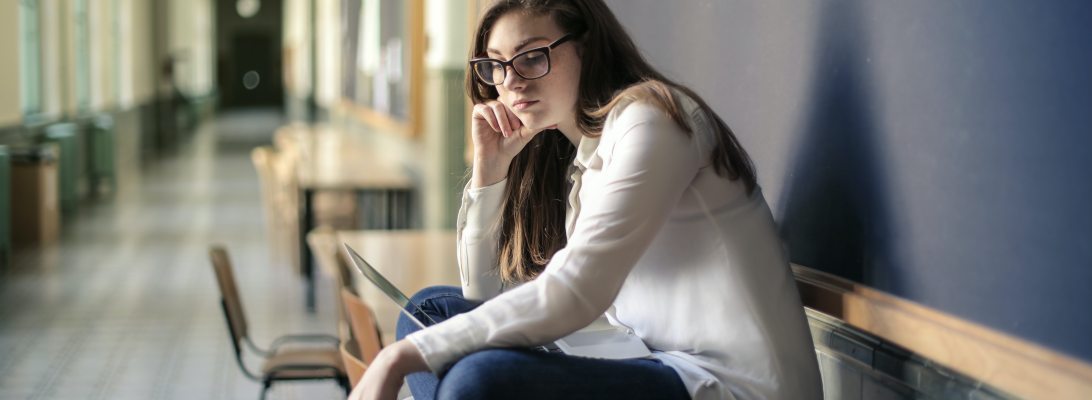
woman-in-white-long-sleeve-shirt-and-blue-denim-jeans-3776181

Social distancing while being homebound may be a new experience for many. But for us, this quarantine has been more of the same.

Every year when the weather begins to chill, I give a half-hearted wave to the world and tuck myself in for a long winter nap. I spend the majority of cold and flu season in self-induced hibernation; maintaining distance, vigilantly washing hands, wearing masks in clinics, reluctantly canceling plans with friends. For six months out of the year, being immune-compromised means that my world mostly exists within the four walls of my home.

It can get very lonely. And maybe you’re feeling lonely right now too.   Continue reading

Navigating Anger and Blame

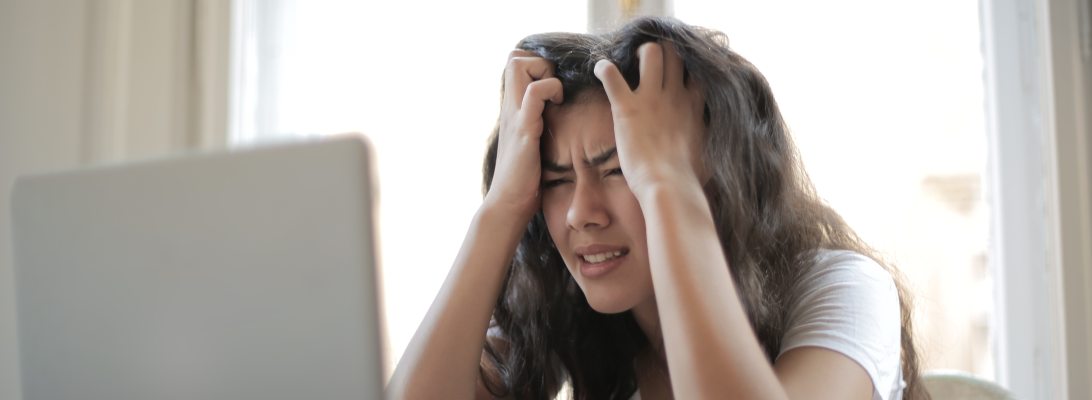
woman-in-white-shirt-showing-frustration-3807738

Adversity, loss and grief are a part of life. And so is getting mad.

Chances are high that you’ll experience anger before this crisis is done. And far too often, anger gets a bad rap. It can be easily mishandled or misunderstood.

Growing up, I believed it was better to “be nice” than to be angry. I thought that expressing any kind of anger was automatically wrong and harmful. So when I was bullied by kids at school, I never confronted them or stood up for myself. Over time I learned to suppress my anger with good behavior and a happy face.

Continue reading

Navigating Restlessness

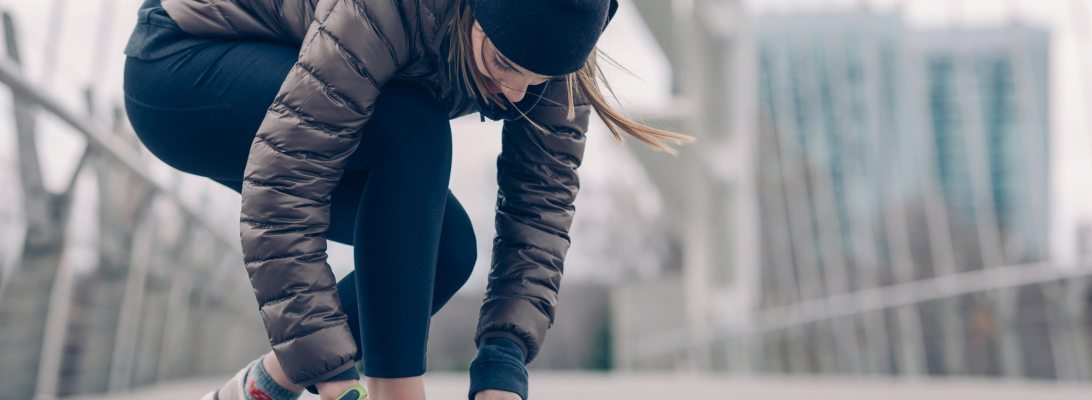
woman tying shoes in the city

When you’re cooped up inside for over a month, restlessness is the result. And people are demanding for relief. Extended quarantines have already resulted in protests, petitions, and a willingness to compromise social distancing.

No one likes feeling irritable and restless. But understanding and tackling it will help you stay sane and avoid irrational behaviors. Continue reading

Navigating the Overwhelm

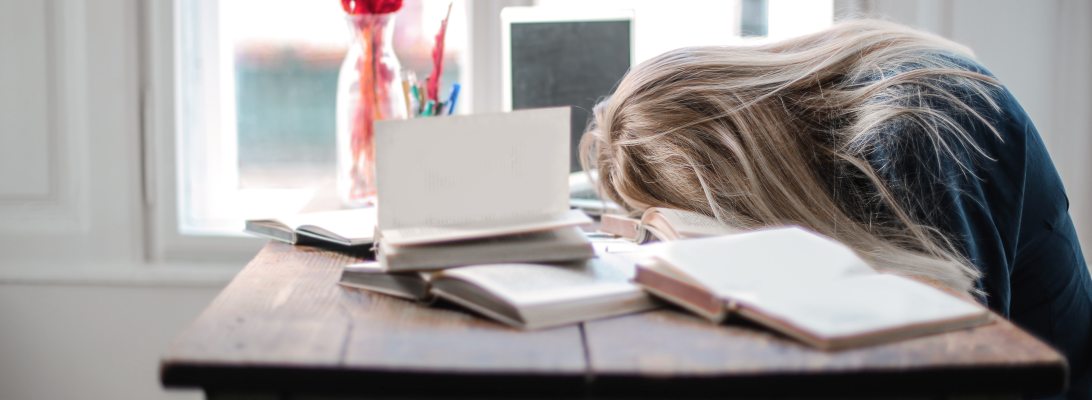
girl with head in books on desk

Losing your routine, sense of normalcy, employment, social life or a family member is a lot to deal with all at once. It’s like trying to drink from a fire hose.

Life-altering events can shatter your familiar assumptions and expectations about the world; the belief that it is relatively predictable and safe (Bessel van der Kolk). Traumatic events may fragment your sense of self or your belief about God and others. These events and the disruption of your internal world can overwhelm your ability to grasp, adapt and cope with what has happened. Continue reading

7 Questions to Help You Process and Survive a Crisis

woman drinking coffee looking out the window

This pandemic getting scary. Many of us are on a roller coaster of emotion as we hear the latest news about loved ones, ICU patients, makeshift morgues, and healthcare workers making life-or-death decisions on the front lines.

When this pandemic hit, I was already neck-deep in trauma recovery. For the last twelve months, I’ve been working through my own post-traumatic stress that had compounded for decades.  Continue reading

4 Ways to Offer Hope in Times of Uncertainty

Once again, the world is experiencing a pandemic. Only this time it’s our turn to encounter travel bans, cancelled events, stockpiling and waves of uncertainty.

The response has been quite diverse. Some are waking up to a reality that has been looming for months. Others are running a “do not fear” campaign exhorting those who are anxious. Still some are promoting conspiracy theories, dismissing preventative action, or downplaying the virus as “just the flu”.

But for my family the threat is very real.

I am one of those in the “at risk” category. As one who is immunocompromised, my actions could literally be the difference between health and hospitalization.

For now, the virus is here to stay and will likely get worse before it gets better. Am I nervous? Of course. Am I taking precautions? You bet. A mutating virus to which humans have no immunity deserves our serious attention and responsible action.

How you respond to this crisis matters. Whether you realize it or not, your actions communicate a message. The question to ask yourself is, what kind of message do I want to send? Continue reading